
Archive
The 2020 program
Voter Protection Corps launched ahead of the 2020 election with a mission that has not changed: ensure that all eligible voters can register, vote, and have their votes counted. Then the pandemic rewrote the rules for how Americans would vote. This is what we did about it.
June 2020
Keep the Polls Open
After a spring of deeply disrupted primaries — poll closures in Milwaukee, late changes in Cook County, long lines in Georgia — we released a national action plan to protect in-person voting during the public health emergency. Developed with data scientists at Carnegie Mellon University, Keep the Polls Open made the case that expanding mail voting was necessary but not sufficient: Black, Native American, and younger voters, voters needing language assistance, and voters with disabilities all vote in person at higher rates, and closing neighborhood polling places would fall hardest on them.
The report’s four recommendations:
- Protect neighborhood voting sites — relocate polls in senior housing rather than close them.
- Recruit, train, and protect poll workers.
- Expand early voting hours and locations.
- Communicate clearly and repeatedly that voting is safe.
August – October 2020
Poll worker risk assessment tool
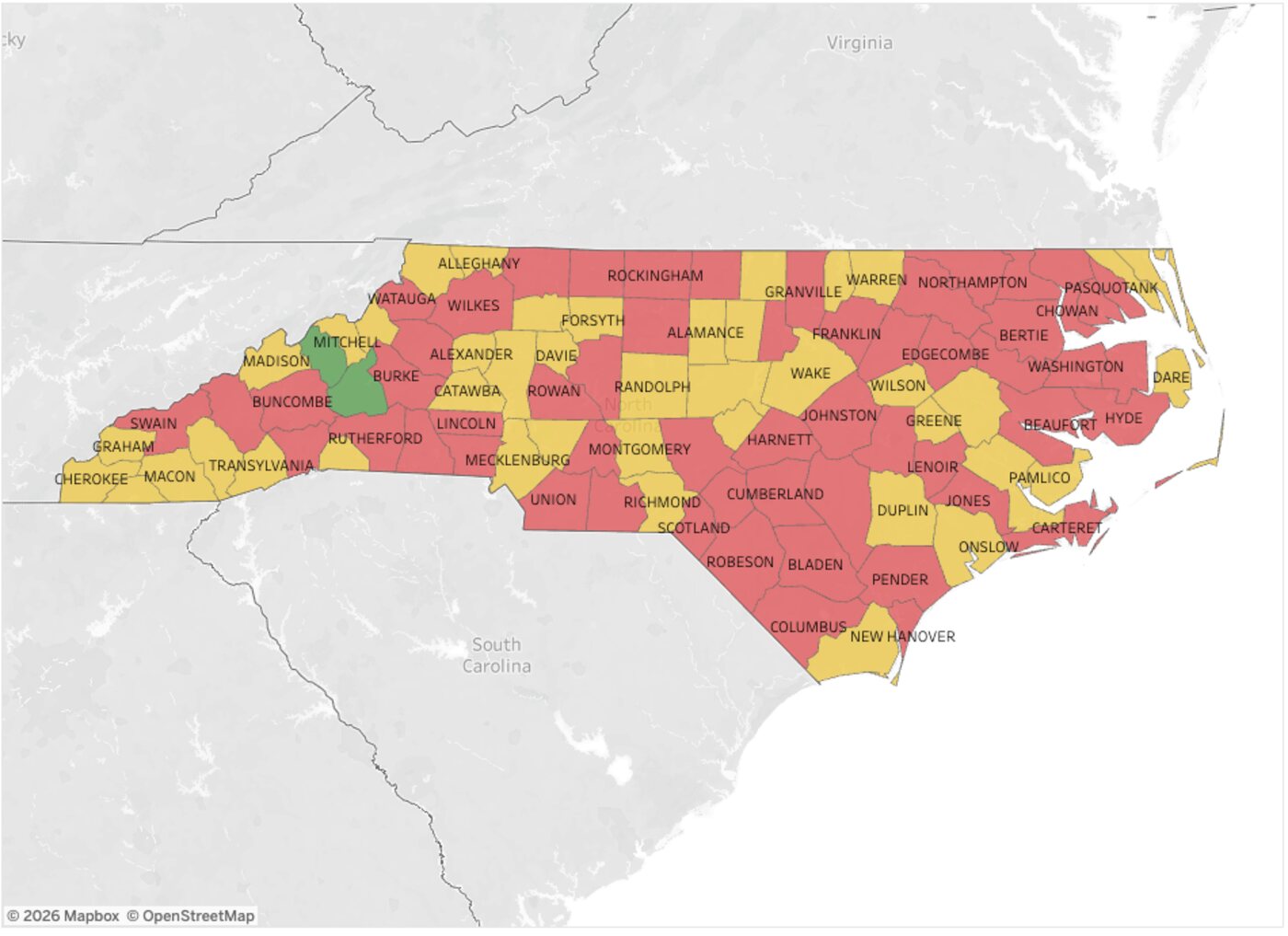
With Carnegie Mellon, we built a tool that used public data — including the U.S. Election Assistance Commission’s Election Administration and Voting Survey — to identify which counties in eight key states (Arizona, Florida, Michigan, North Carolina, Ohio, Pennsylvania, Texas, and Wisconsin) would need the most help recruiting poll workers. The October update analyzed 745 counties and flagged 485 as high risk for shortages, a finding NPR and outlets across the battleground states reported on.
After the general election we re-ran the analysis for Georgia’s January 2021 Senate runoff, producing a county heat map that weighed in-person turnout, the share of non-white voters, and voters per polling location to show where recruitment had to start immediately.
Explore the tool on Tableau Public · August launch · October update · NPR coverage
Fall 2020
State poll worker programs
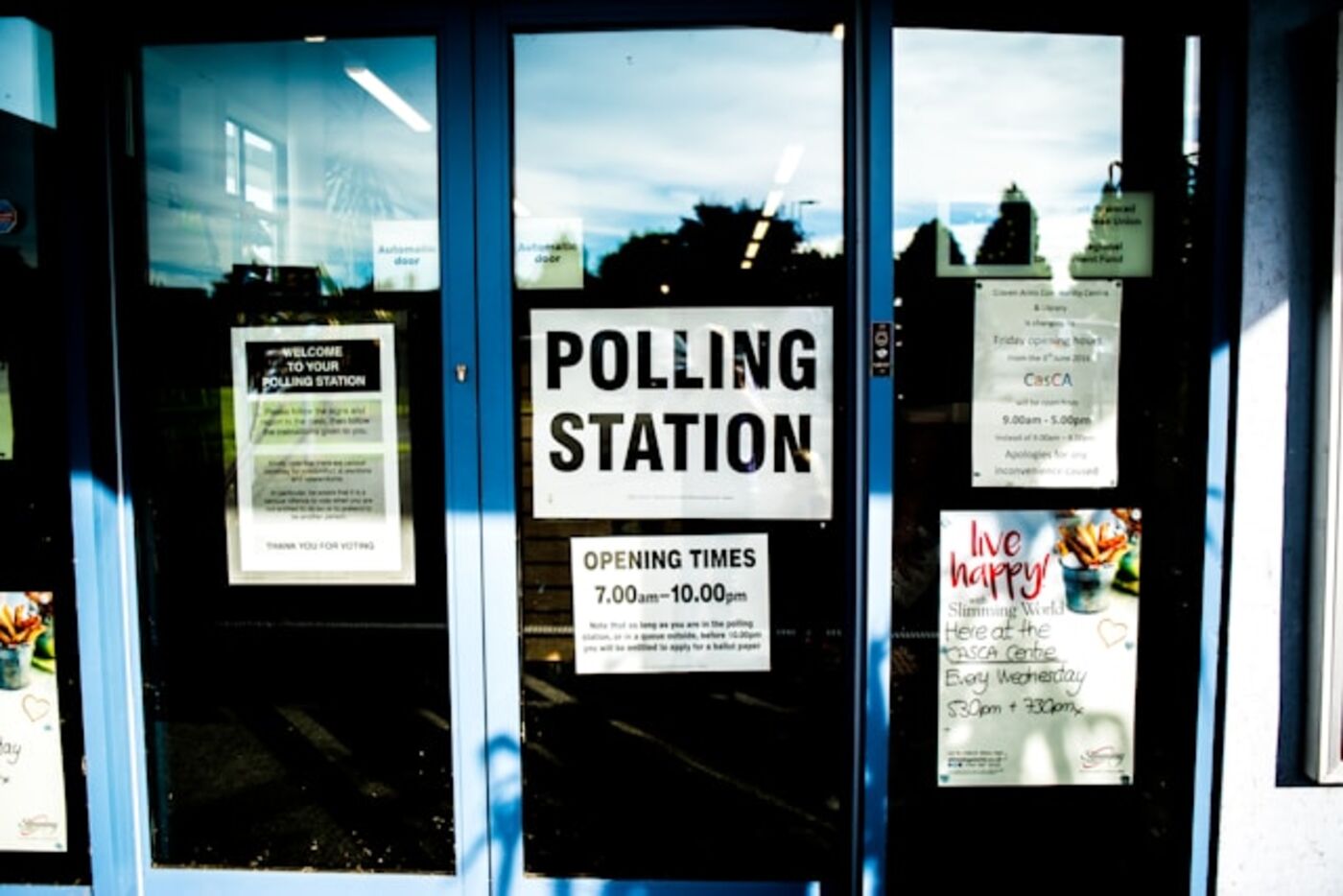
The average poll worker was over 65, and the pandemic was keeping many of them home. A shortage meant closed polling places, and closures fall hardest on communities of color. So we recruited — nationally through partnerships with Vote.org and Power the Polls, and on the ground in four states.
North Carolina
Statewide poll worker recruitment targeted at the counties that needed it most, and collaboration with officials in Mecklenburg and Wake Counties on voter education about voting options and how to make sure a ballot counts.
Texas
Where more people would vote in person than anywhere else in the country: a partnership with the Texas Civil Rights Project to recruit first-time poll workers, support for Harris County’s S.A.F.E. initiatives including 24-hour polling locations, and English and Spanish recruitment fact sheets.
Pennsylvania
Close monitoring of litigation-related delays in mailing requested ballots, and work to make the Commonwealth’s first large-scale expansion of voting by mail run smoothly at every stage.
Arizona
Poll worker recruitment alongside election officials in Maricopa County, and work to improve ballot access for Native Americans living on Tribal lands.
Supporters could also become Poll Worker Recruitment Captains, reaching into their own networks across the country to find people willing to serve.
September – October 2020
Defending the first nationwide vote by mail
2020 was the first time most states ran vote-by-mail at scale, and the technical rules were catching voters out. We pushed election officials and legislatures to honor the intent of the voter rather than reject ballots on technicalities:
- Pennsylvania “naked ballots” — after a state Supreme Court ruling threatened to void mail ballots returned without a secrecy envelope, we urged the legislature to require counties to count them or let voters fix the error.
- North Carolina rejected ballots — when reports showed Black voters’ mail ballots being rejected at higher rates, we called on state and local officials to act immediately.
- Five Keys to a Smooth Election Night — recommendations for voters, election officials, the media, and candidates to minimize rejected ballots and stop premature declarations of victory.
- Massachusetts H.4820 — our statement on the state’s 2020 voting legislation, and what was still missing.
October 2020
New Hampshire: Know Your Rights
When the New Hampshire Republican Party asked the state to bar college students learning remotely from voting where they attend school, we launched a Know Your Rights campaign with Executive Councilor Andru Volinsky as chair: digital and print advertising, social media monitoring, and campus-specific guides for Dartmouth, UNH, Plymouth State, Keene State, and Southern New Hampshire University covering how to register and vote in person or absentee. It was an early version of the counter-disinformation work that has defined our program since.
Voter tools
Ballot Check and volunteer recruitment
Ballot Check gave voters in every state a direct link to their official ballot-tracking page, with the 866-OUR-VOTE hotline for anything that looked wrong — because a mailed ballot is not a counted ballot until the state says so.
Join the Corps recruited legal volunteers — licensed attorneys, law students, paralegals — for legal research and for in-person work during early voting and on Election Day, alongside a voter protection fellowship for the final months of the cycle.